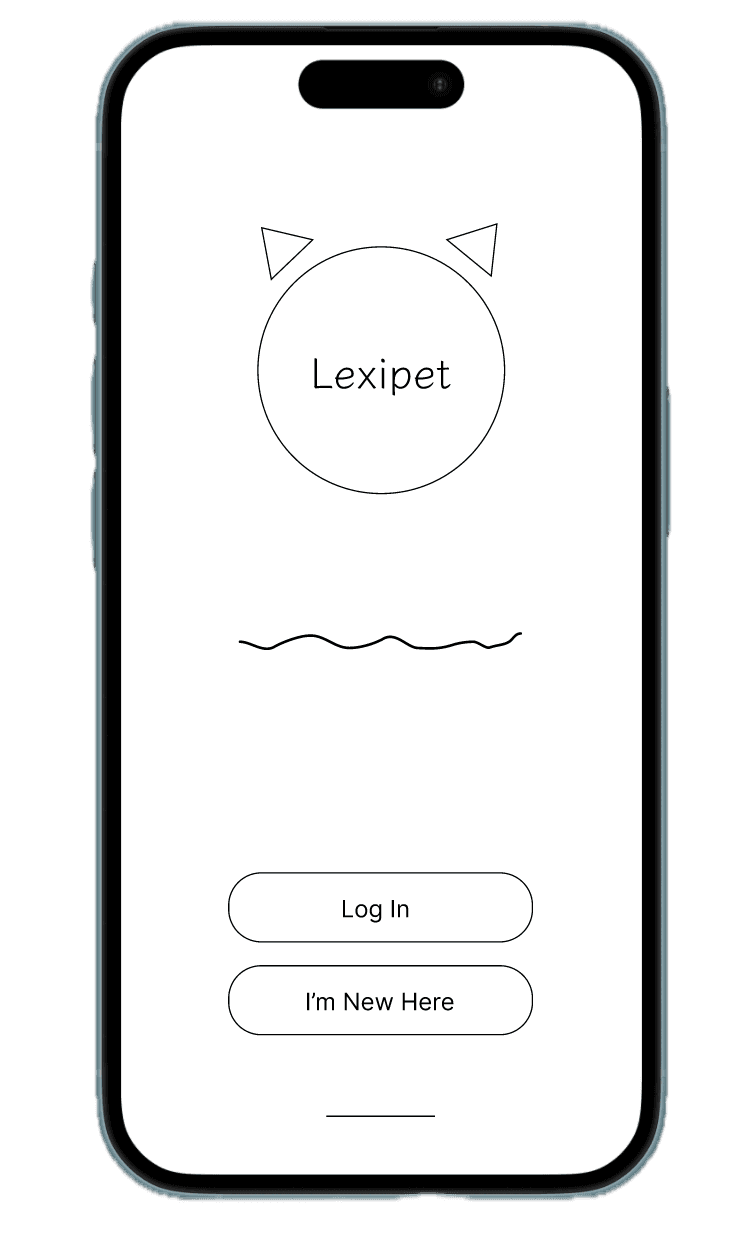
Lexipet
if your pet could talk…
competitive analysis
competitor app and market research
Most Functional
Anki Pro
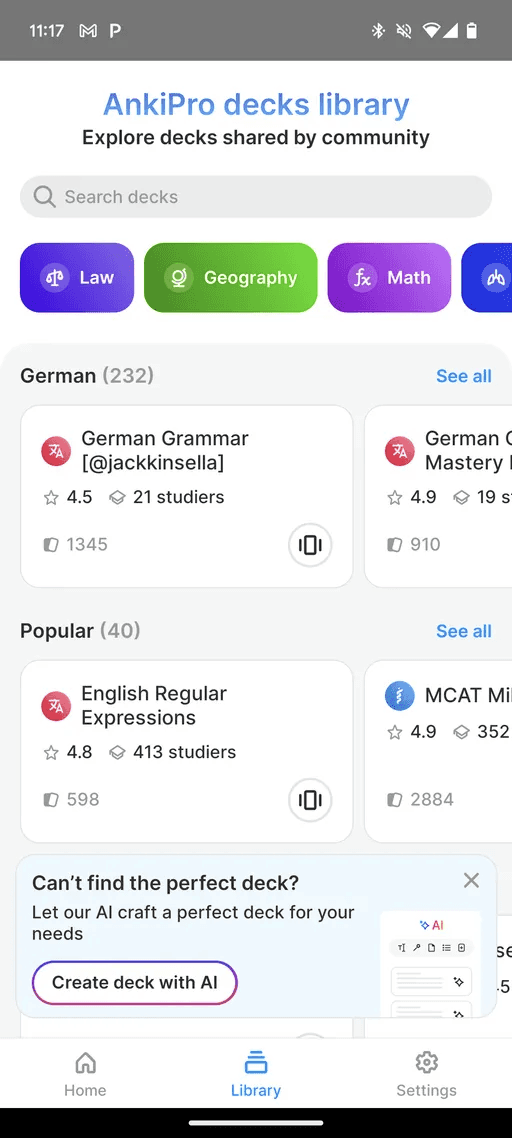
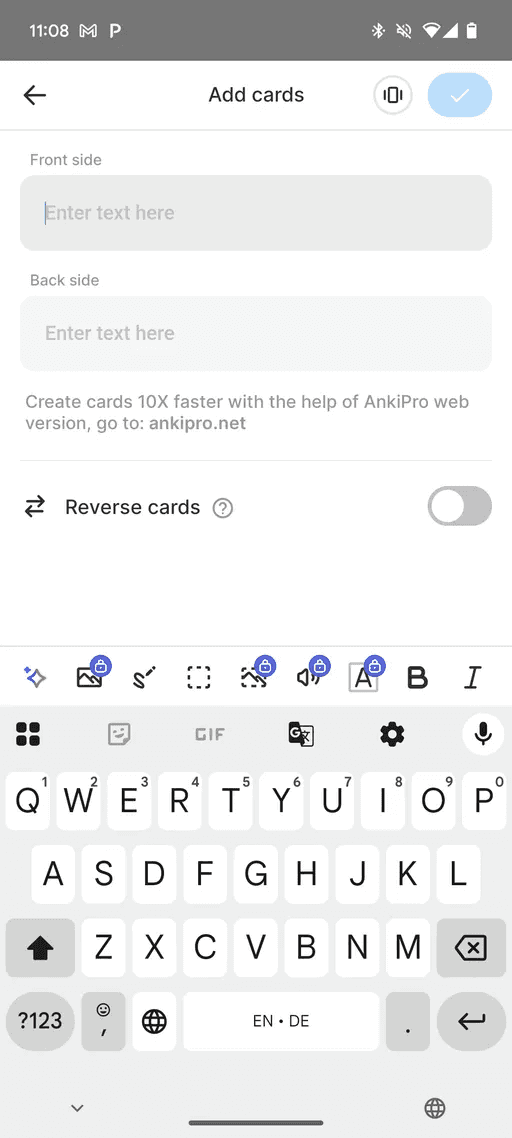
no required account
informative, simple tutorials
multiple deck creation options
annoying notifications
restrictive goal selection
overwhelming library design
Most Gamified
Quizlet
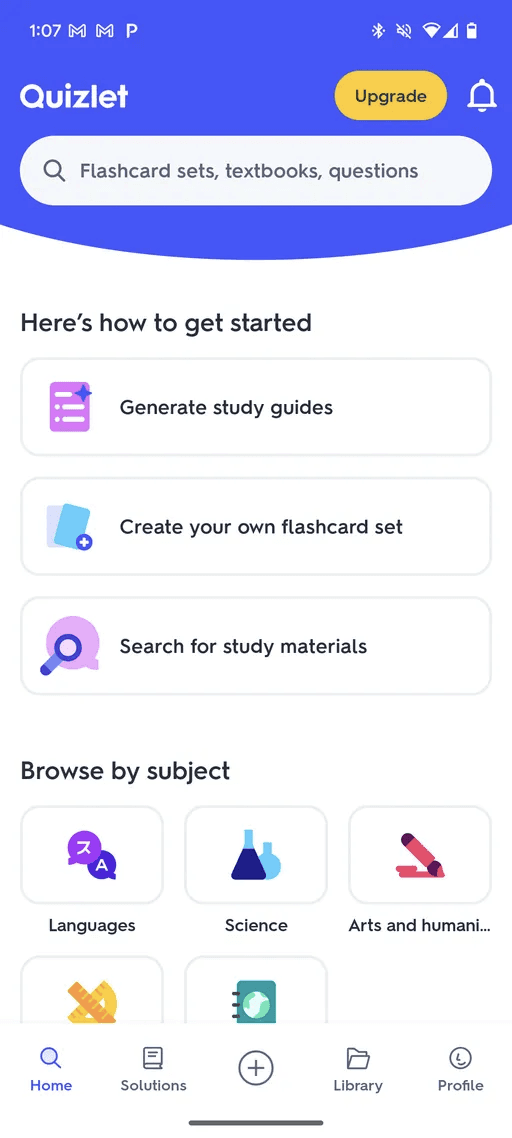
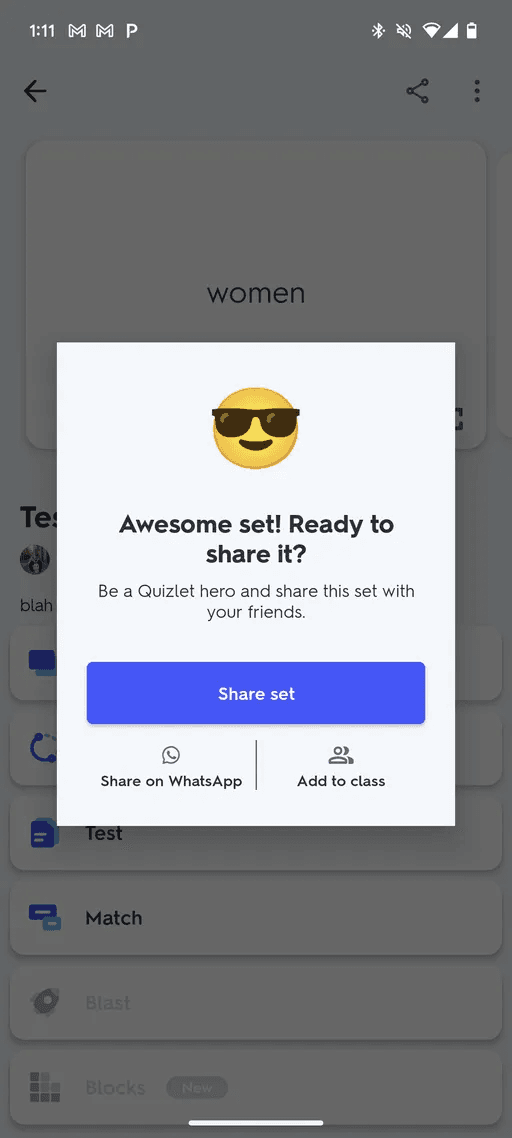
personalization
gamification + assessment
different learning modes
mandatory account creation
intrusive set-up process
over-the-top celebrations
Most Engaging
DuoCards
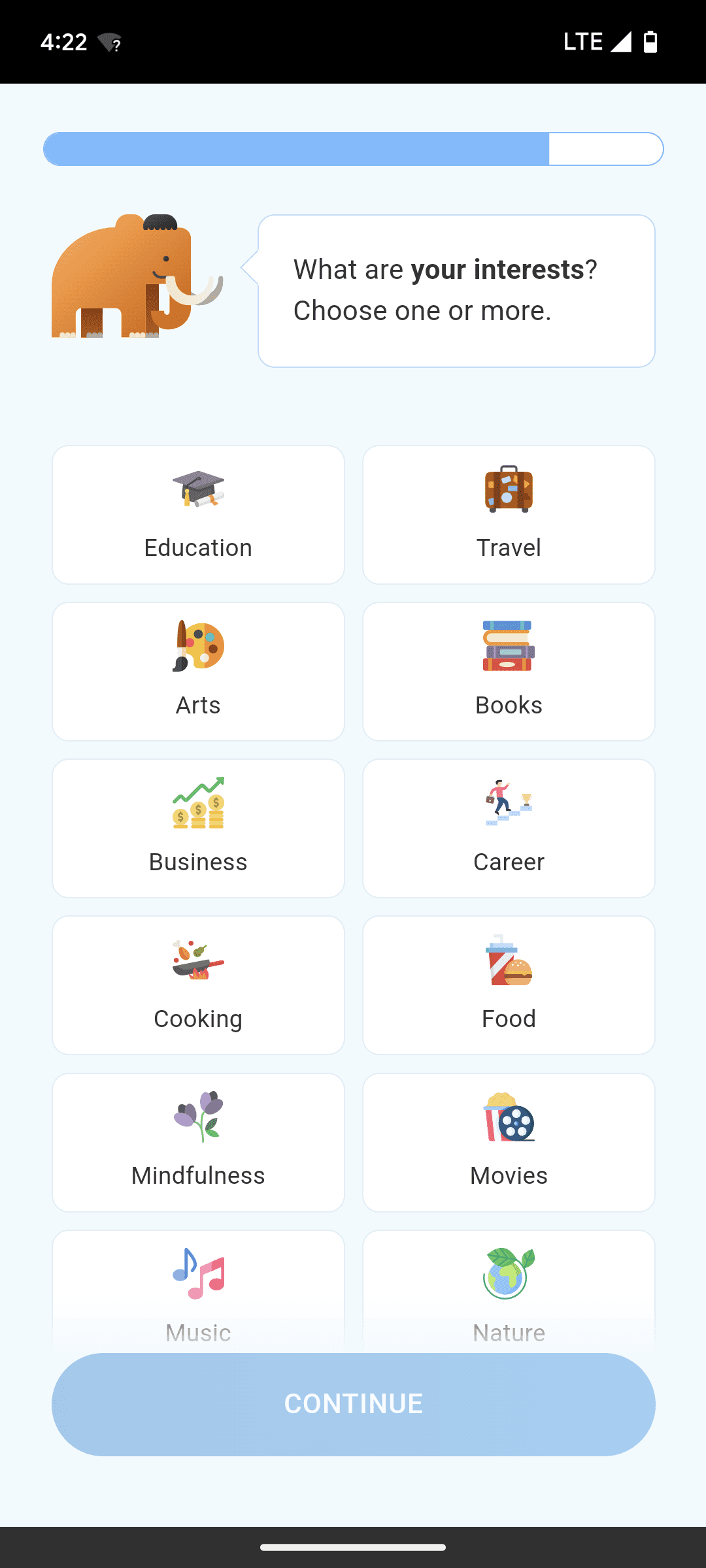
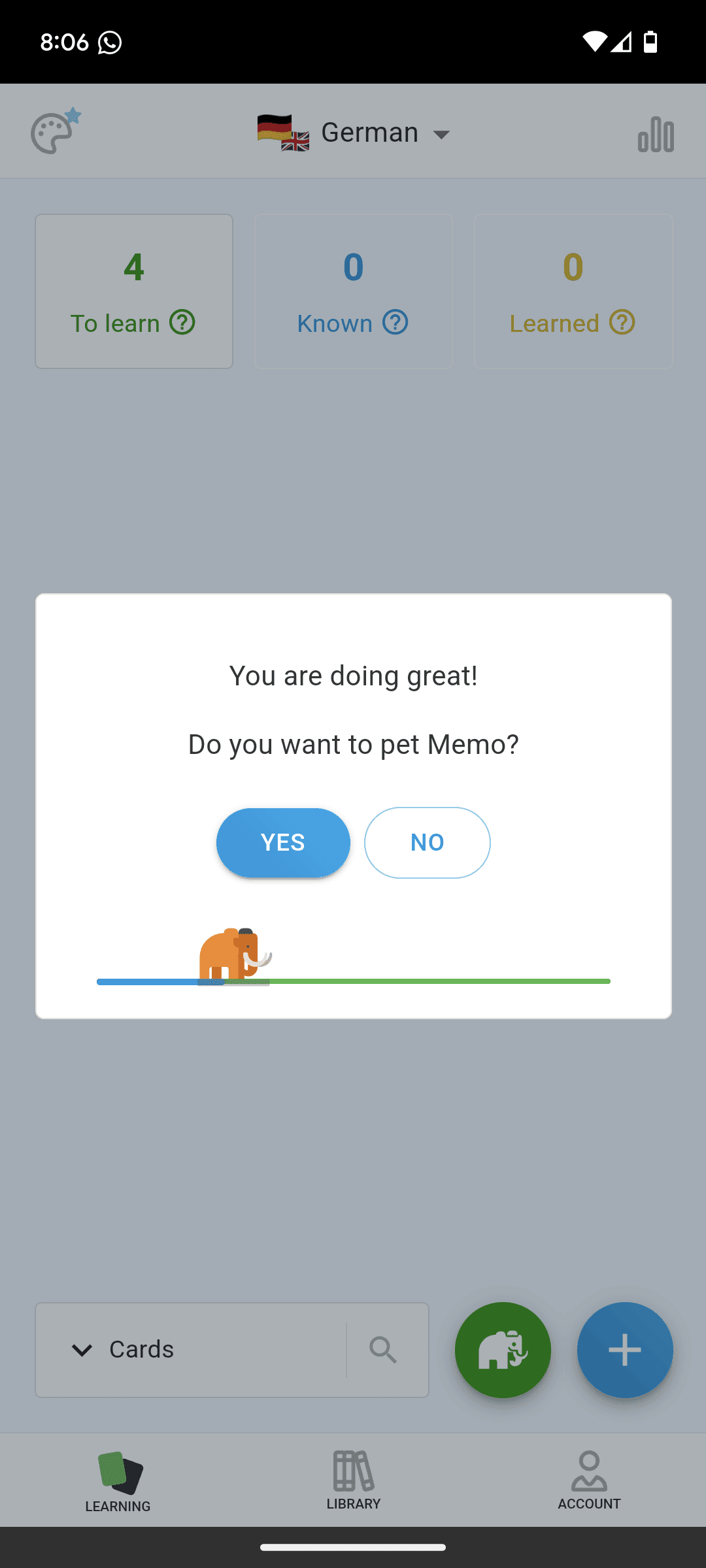
friendly and "cute" UI
unique customizations
encouraging milestones
sneaky paywall tactics
lengthy onboarding process
inconsistencies in microcopy
understanding the user
user research, proto persona

meet emily.
project manager
born in Vancouver, BC
lives in Berlin, Germany
"I'm pretty shy, so the fear of making mistakes when I speak German holds me back sometimes."
goals & motivations

practice daily

build confidence

visualize progress

reduce anxiety

have fun learning
challenges
low mental energy after work
fear of making mistakes
overwhelm under pressure
problem statement
Due to challenges with perfectionism and anxiety, Emily struggles to stay consistent and confident when learning a new language. She needs an engaging way to incorporate lessons into her daily routine without added stress. We will know this to be true when we see her interacting daily with the app and confidently using the language in the real world.
hypothesis statement
We believe that by creating a relaxed and interactive learning experience for Emily—one with short, adaptive lessons and positive reinforcement—we will achieve increased engagement due to improved confidence using the language without anxiety-driven setbacks.
designing the solution
flows, sketching,wireframing, prototyping
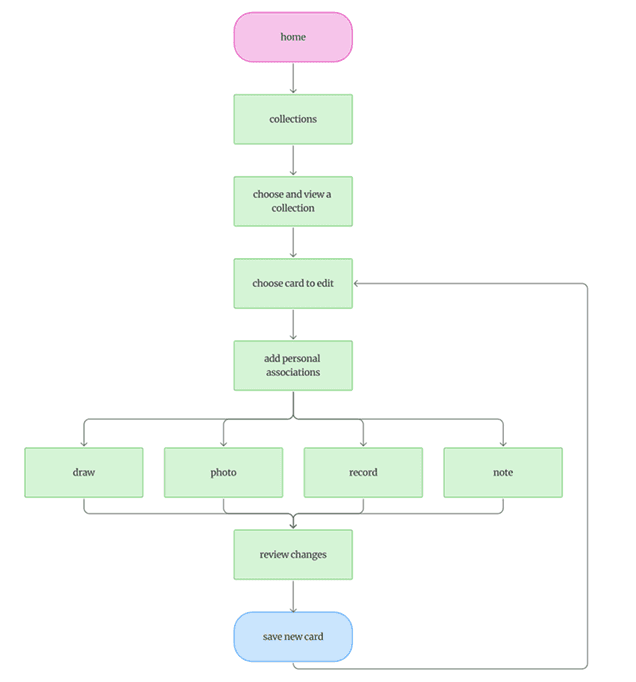
user flows
I created multiple user flows to get a sense of how the user would navigate the app to complete various tasks.
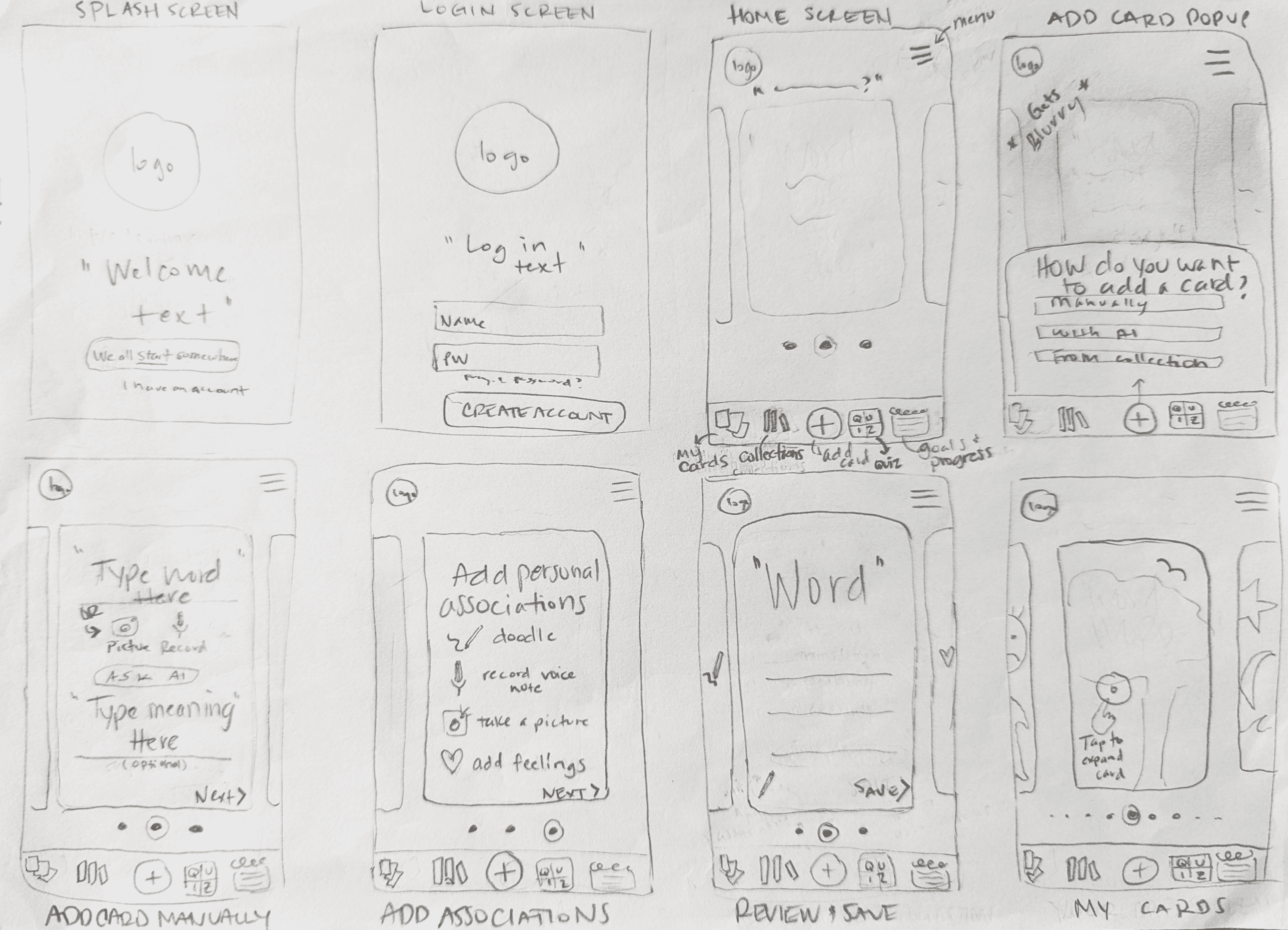
early sketches
Putting my initial ideas on paper revealed several friction points. It was simply not coming together like I had imagined and that's when I realized that focusing on "what I imagined" was the problem.
I was missing key insights from the research, so I went back to the beginning.
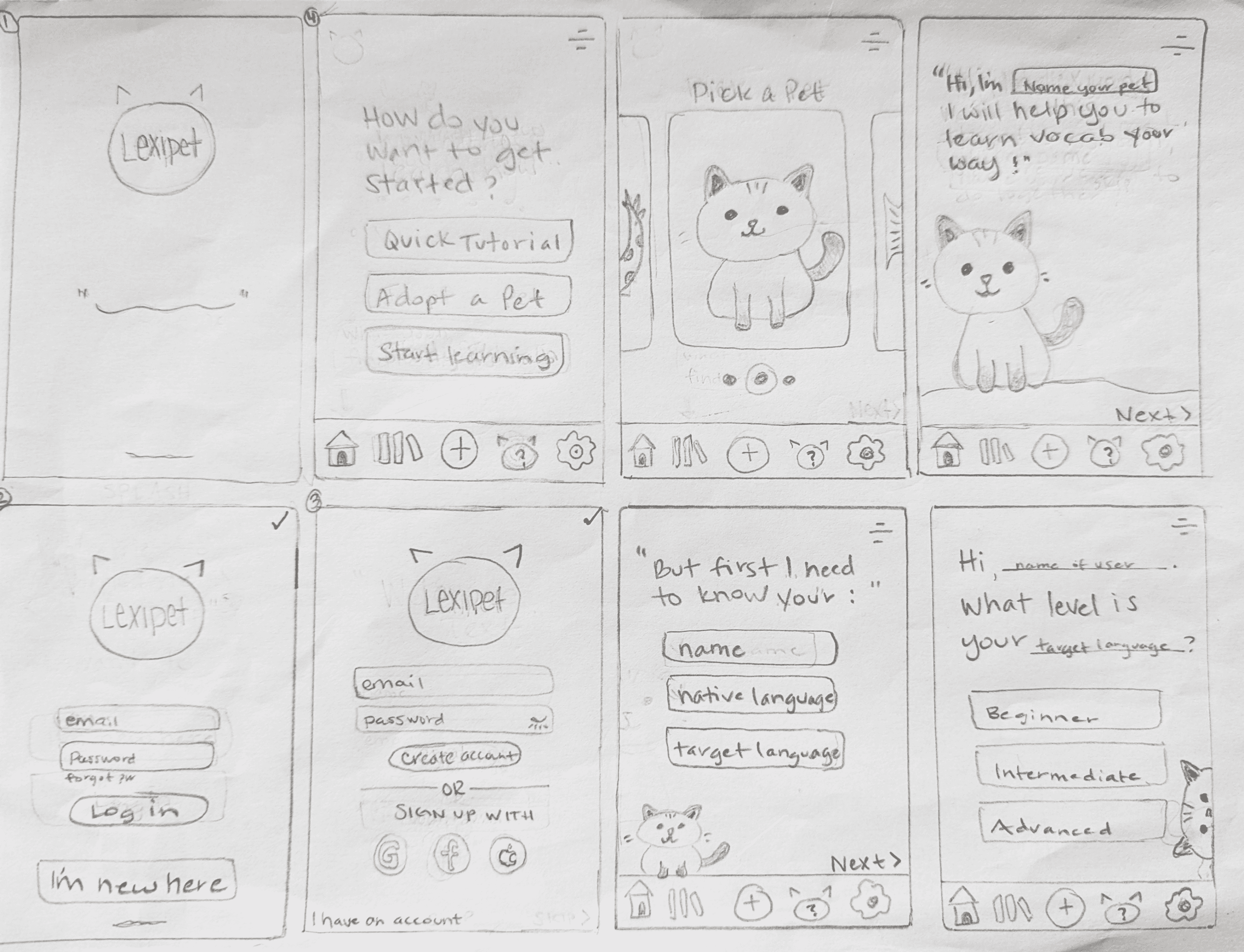
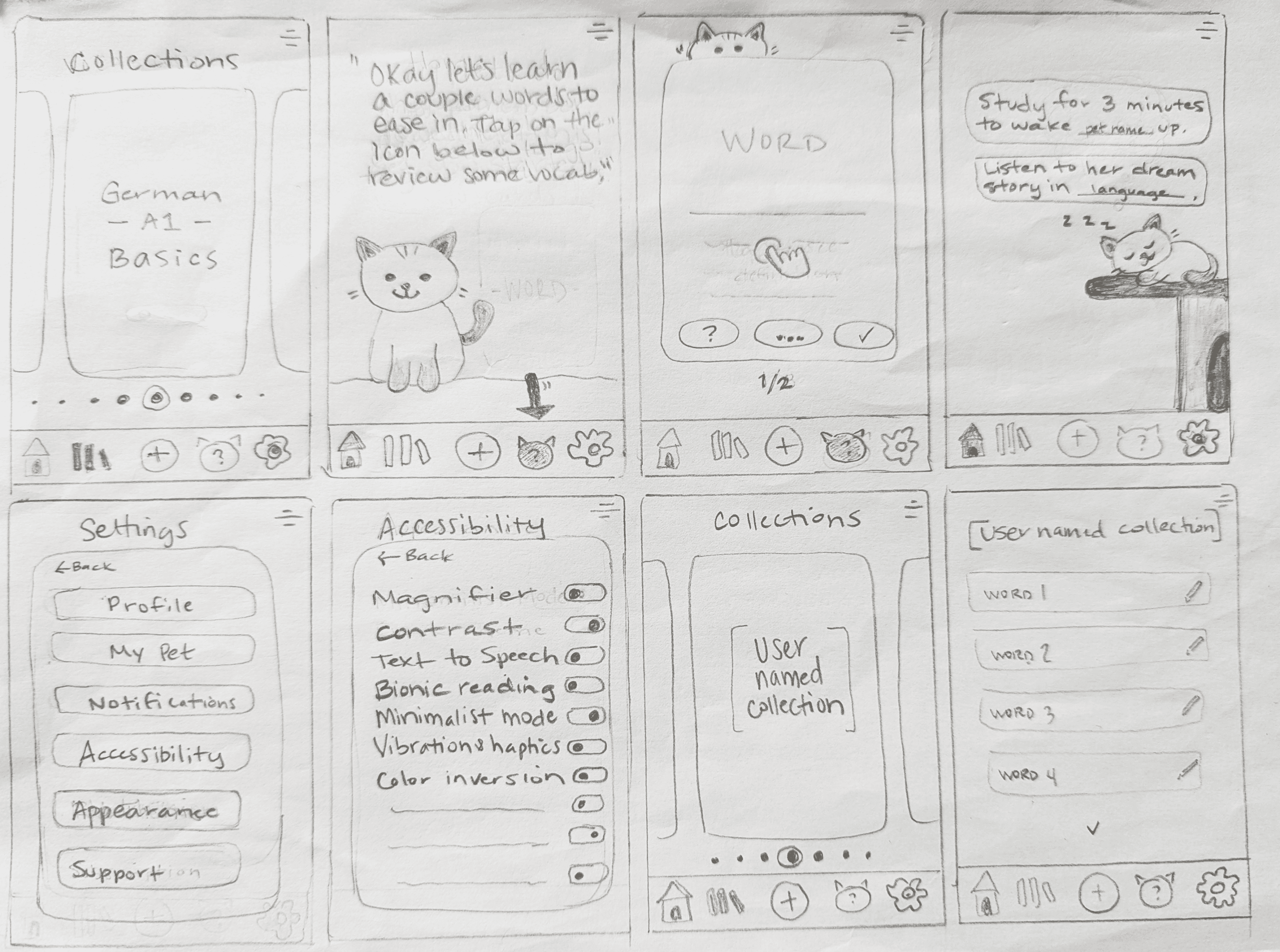
better sketches
After poring over the findings and re-watching user interviews, I started to see little golden nuggets:
It wasn't just that my target users liked gamification, they desired unique interaction.
It wasn't just that they got mad when they lost their streak, they felt defeated and became disinterested in rebuilding what was lost.
It wasn't just that traditional flashcard memorization was boring, they craved real-world applications.
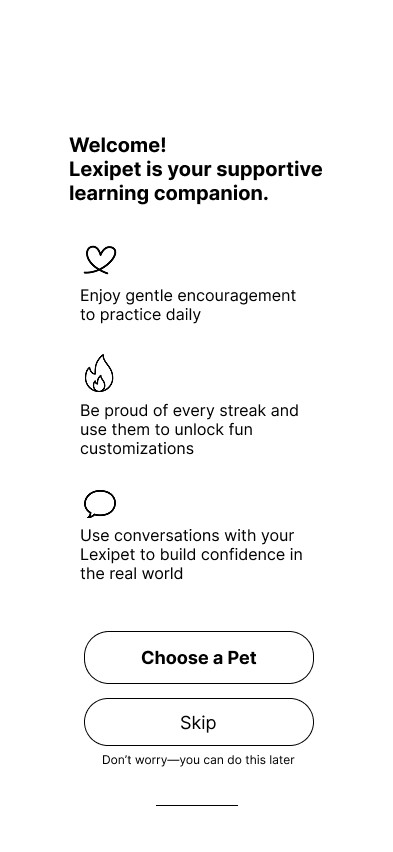
The idea for a digital companion came from these insights. Having an AI "pet" who is part of the learning journey meant that users could practice real-world conversations in a way that felt gentle and personal.
For the business, it also opens opportunities for paid features, such as pet customizations, AI-model upgrades, and more.
wireframing & prototyping
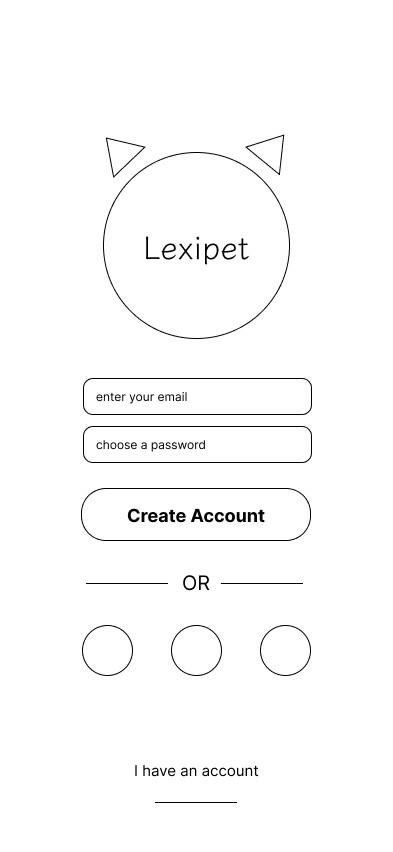
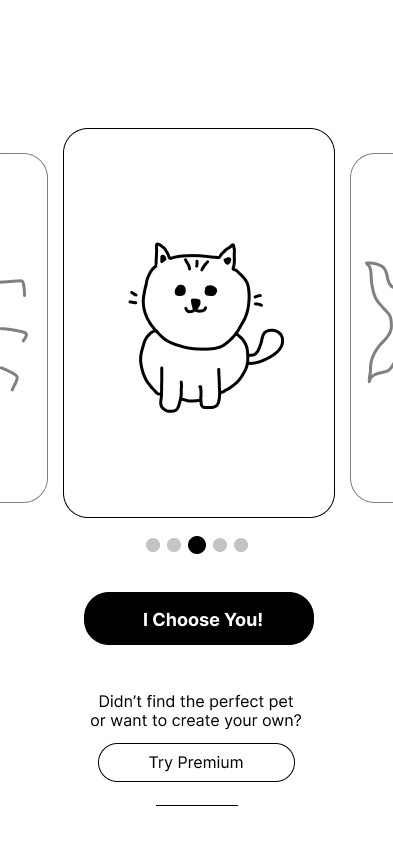
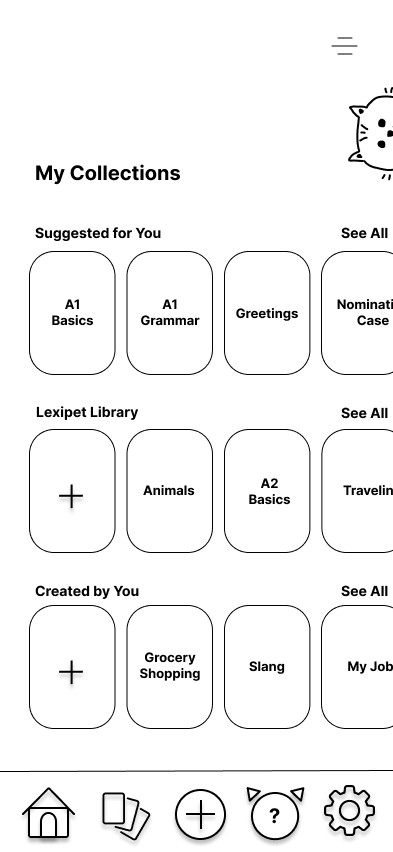
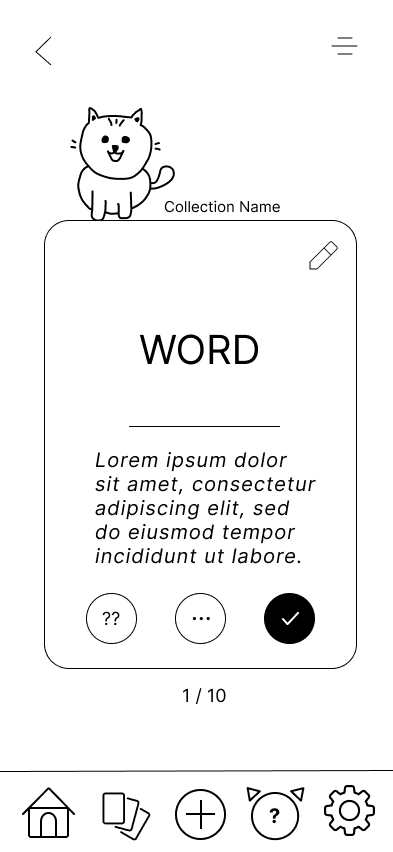
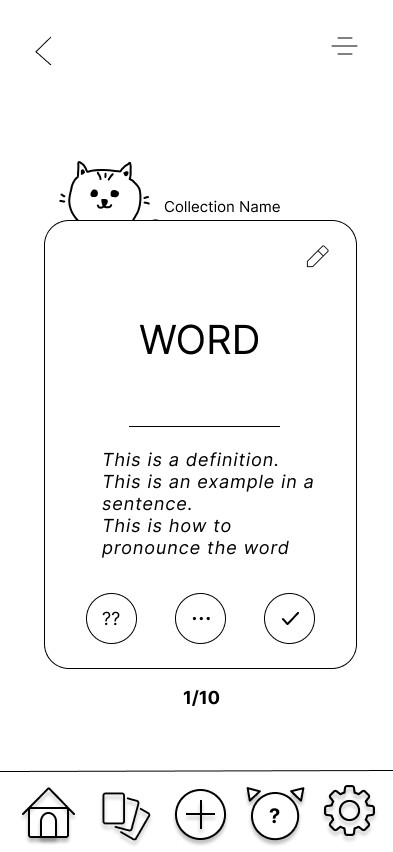
Taking the improved sketches and new concept, I was finally able to visualize Emily using the app in her daily commute and in passing moments of free time. This helped inform decisions made while creating mid-fidelity wireframes.
I wanted to create a sense of delight while incorporating the core features that users would expect from a vocab app.
Core features:
pick a pet
create a flashcard collection
browse library of collections
edit flashcards
testing with users
usability testing, reporting

SCOPE
test core features of vocab app

PARTICIPANTS
5 testers from target group

TECH
Google Meet, laptop, Figma prototype

METRICS
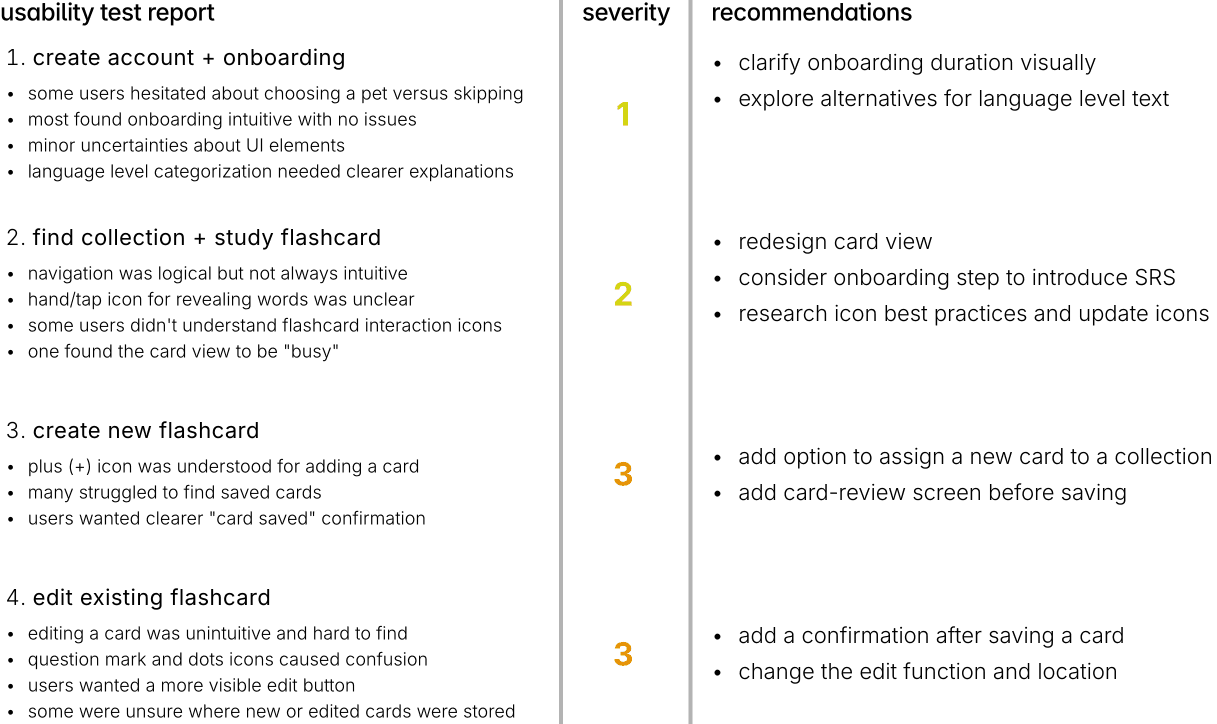
Jakob Nielsen’s error severity scale
direct tasks
Create account and complete onboarding
Find an existing collection and study a flashcard
Create and save a new flashcard
Edit an existing flashcard and save changes
developing the concept
next steps for Lexipet

implement testing feedback

re-test prototype

create design system